
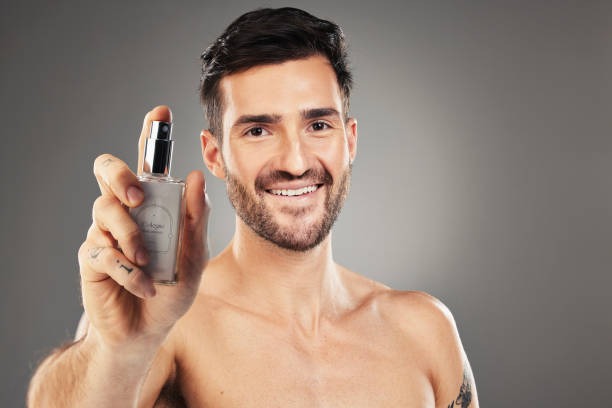
In recent years, pheromone colognes have gained significant attention in the realm of personal attraction products. Marketed as magical elixirs capable of enhancing one’s allure, these colognes claim to harness the power of pheromones—chemical signals that influence social and sexual behaviors in animals—to boost human attraction. However, amidst the buzz surrounding these products, it is essential to dissect whether there is substantial scientific backing or if they are merely riding a wave of hype.
Pheromones are indeed a fascinating aspect of biological communication. In the animal kingdom, they play crucial roles in mating rituals and territory marking. For instance, insects like ants use them for trail marking and bees for identifying their hive members. The question arises when we attempt to extrapolate this concept to humans: can synthesized pheromones in do pheromone colognes really work genuinely enhance interpersonal attraction?
Scientific research on human pheromones presents mixed results. Some studies suggest that certain chemicals may have subtle effects on mood or perception, potentially influencing interpersonal interactions unconsciously. For example, androstenone and copulins—compounds often included in these colognes—are said to impact how individuals perceive each other’s attractiveness or dominance.
However, many researchers argue that the evidence supporting significant behavioral changes due to synthetic pheromones is scant at best. Human behavior and attraction are complex phenomena influenced by numerous factors such as personality traits, cultural background, personal preferences, and situational context. Unlike other species with relatively straightforward mating cues driven by chemical signals alone, humans rely on a broader spectrum of sensory inputs.
Moreover, some critics point out methodological flaws in studies claiming positive outcomes from using pheromone-based products. Issues such as small sample sizes or lack of control groups can undermine confidence in reported findings. Consequently, while intriguing anecdotes abound about increased romantic success after applying these colognes; scientifically rigorous evidence remains elusive.